Entry · Ref JQRZRJYC
Why Radon Mitigation St. Louis Homeowners Should Act Now
- Posted
- 2026-10-10
- Last amended
- 2026-10-10
- Account
- @radonmitigationstlouisway
If you own a home in St. Louis, you have probably heard about radon. Maybe a neighbor mentioned it, or you saw a news segment about indoor air quality. But unless you have actually tested for radon levels in your own basement or crawlspace, it is easy to put it off. I have spent years working on radon mitigation systems across the region, and I can tell you that waiting is a mistake. The geology of St. Louis, with its limestone bedrock and clay soils, creates a perfect pathway for radon gas to seep into homes. And the only way to know if you are at risk is to test.
Understanding the Radon Problem in St. Louis
Radon is a radioactive gas that comes from the natural decay of uranium in soil and rock. It is colorless, odorless, and tasteless. You cannot sense it, but it can accumulate inside your home to dangerous levels. The EPA estimates that radon causes thousands of lung cancer deaths each year in the United States. In St. Louis, the risk is real. Many homes in the metro area test above the EPA action level of 4 picocuries per liter. That is why radon mitigation st louis has become a growing priority for both homeowners and real estate professionals.
I have walked into basements where the radon detector read over 20 pCi/L. The homeowners had no idea. They had lived there for years. A proper radon test, conducted with a continuous radon monitor or even a short-term charcoal test, would have caught it. But they never tested. The good news is that a well-designed radon mitigation system can bring those numbers down to safe levels, often below 2 pCi/L. That is a dramatic improvement for the health of everyone living in the home.
The Science of Sub-Slab Depressurization
Most radon mitigation systems in St. Louis rely on a technique called sub-slab depressurization. It sounds technical, but the concept is simple. A vent pipe is installed through the foundation floor, usually in a basement or crawlspace. A radon fan, mounted outside the living space (often in the attic or on the exterior wall), creates suction that pulls radon gas from beneath the slab and vents it safely above the roofline. This soil suction prevents the gas from entering through foundation cracks and other openings.
The key to making this work is sealing. You cannot just install a fan and expect it to fix everything. The system works best when the foundation is sealed properly. That means addressing all foundation cracks, gaps around utility penetrations, and the joint where the floor meets the wall. A high-quality sealant like RadonSeal is often used for this purpose. It penetrates the concrete and creates a durable barrier. Without this step, the fan might still reduce radon levels, but it will work harder and less efficiently.
Where a Sump Pump Can Complicate Things
Many St. Louis homes have sump pumps in their basements to manage groundwater. A sump pump pit can be a major entry point for radon. If the pit is not sealed, radon can flow freely into the basement. In these cases, the mitigation strategy often includes sealing the pit cover and connecting it to the vent pipe system. It is a small extra step that makes a big difference.
Testing Comes First
Before you can design a radon mitigation system, you need accurate data. A single short-term test can give you a snapshot, but radon levels fluctuate with weather, season, and how the home is used. A continuous radon monitor provides a more reliable picture because it records readings over time. I recommend homeowners start with a long-term test, ideally three months or more, especially if they are planning a mitigation project. Companies like Air Sense Environmental offer both radon testing and post-installation verification to make sure the system is performing as designed.
Once the system is installed, you should see a manometer installed on the vent pipe. This simple device shows whether the fan is creating the right suction. A properly operating system will maintain a consistent negative pressure under the slab. If the manometer reading drops, it may indicate a problem with the fan or a leak in the system. Checking it periodically is a good habit.
What to Look for in a Radon Mitigation Contractor
Not every contractor understands radon. Some will try to sell you a fan without doing the diagnostic work. A professional approach begins with a thorough inspection of the home. The contractor should look at the foundation type, the sump pump setup, the HVAC system, and the layout of the crawlspace or basement. They should also test the radon levels before and after installation. Post-installation verification is not optional. It is the only way to prove the system works.
When I talk to homeowners, I tell them to ask specific questions:
- What type of radon fan do you use? (Brands like RadonAway are common and reliable.)
- Will you seal all visible foundation cracks and openings?
- Do you provide post-installation verification testing?
- How long will the installation take, and what is the warranty on the fan?
- Can you show me examples of similar installations in St. Louis?
A good contractor will answer these clearly and show you their work. If they dodge the questions, keep looking. Your health is worth the extra effort.
Crawlspace Mitigation: A Different Challenge
Homes with crawlspaces instead of basements require a slightly different approach. A crawlspace mitigation system often involves laying a heavy-duty vapor barrier over the dirt floor, sealing it to the walls, and then creating a suction point under the barrier. This method can be very effective, but it requires careful attention to sealing around pipes and vents. The goal is the same: to prevent radon from entering the living space above.
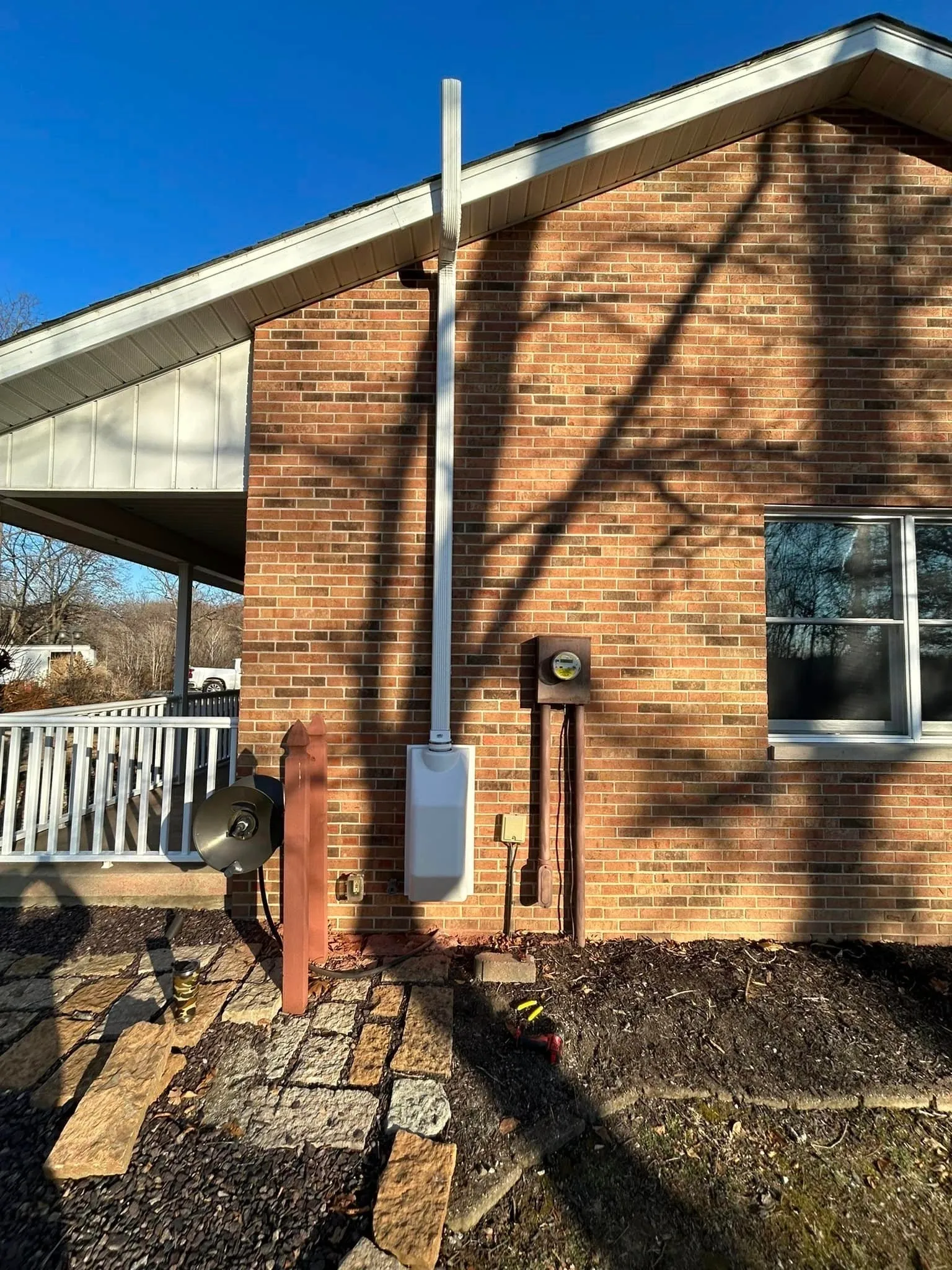
In older St. Louis homes, crawlspaces can be tight and difficult to access. That makes the job harder, but not impossible. A skilled installer will find a way to get the job done without cutting corners. I have seen crawlspace systems that reduced radon levels by 90 percent or more.
Long-Term Maintenance and Monitoring
A radon mitigation system is not a set-it-and-forget-it solution. The fan will eventually wear out. RadonAway fans are built to last, but they have a lifespan of about five to ten years. When the fan fails, radon levels can climb back up. That is why I recommend homeowners keep a continuous radon monitor in the basement or lowest living level. It gives you real-time data and alerts you if levels rise unexpectedly.
Also, check the manometer monthly. If the reading changes significantly, call a professional. The vent pipe can become blocked by debris or ice, or the fan may have failed. Early detection saves you from extended exposure.
Finally, if you ever make changes to your home that affect the foundation or the soil around it, consider retesting. Major renovations, landscaping that alters drainage, or even adding a sump pump can change the radon entry points. A post-renovation test is cheap insurance.
Why Local Expertise Matters for Radon Mitigation St. Louis
Every region has its own soil characteristics, building styles, and climate patterns. Radon mitigation st louis is not the same as radon mitigation in Denver or Atlanta. The clay soils here can shrink and expand, creating new foundation cracks over time. The humid summers affect how radon moves through the soil. A local contractor who has installed dozens of systems in the area will know the common pitfalls and the best solutions. They will also be familiar with local building codes and the specific challenges of St. Louis homes, from historic brick foundations to modern slab-on-grade construction.
Air Sense Environmental, for example, has years of experience working in this region. They understand the local geology and the types of homes that need attention. That kind of local knowledge makes a difference in both the design and the long-term performance of your system.
The Bottom Line
Radon is a serious health risk, but it is one you can manage. Start with a reliable radon test. If your radon levels are high, call a qualified contractor who specializes in radon mitigation. Make sure they use quality components like RadonAway fans and RadonSeal sealants. And do not skip the post-installation verification. A well-built system will protect your family for years, but only if it is designed and installed correctly.
If you live in St. Louis and have not tested your home yet, this is your reminder. The test is inexpensive. The peace of mind is priceless. And if you do need a system, the investment is small compared to the potential health cost of doing nothing. Take the first step today. Your lungs will thank you.